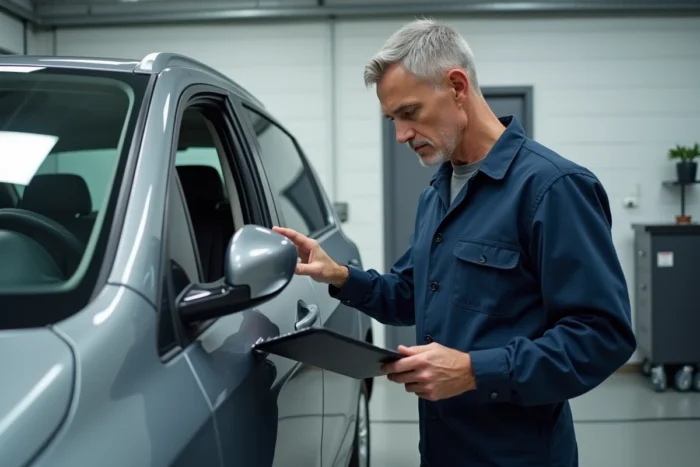
Automotive expertise is not limited to a visual assessment after a collision. The choice of the expertise method, the quality of the parts submitted in the file, and the context in which the evaluation takes place directly determine the amount of compensation or the reliability of a transaction. Here, we detail the technical points that make the difference between a rushed auto motorcycle expertise and a truly usable evaluation.
Remote expertise: how photo processing changes things for your vehicle
An increasing share of claims files is now processed through remote expertise (EAD), based on photos, workshop estimates, and data provided by the repairer or the insured. This processing method mainly concerns light impacts, common bodywork, and glass breakage.
EAD is no longer an exception. The job descriptions for certified automotive experts explicitly mention work “on-site or remotely, using dedicated software.” For the insured, this means that the quality of the photos and descriptions conditions the final evaluation.
A blurry shot, a poorly chosen angle, or an incomplete estimate can lead to an undervaluation of the damage. We recommend photographing each damaged area from at least two different angles, with natural lighting, and systematically attaching the detailed estimate from the repairer. Without these elements, resorting to a counter-expertise often becomes necessary, which prolongs processing times.
Motorists who wish to compare evaluation methods or verify the coverage of a claim can rely on auto motorcycle expertise on Expert Auto Moto to obtain a reference framework before initiating the process.
Expert mandated by the insurer or independent expert: practical implications
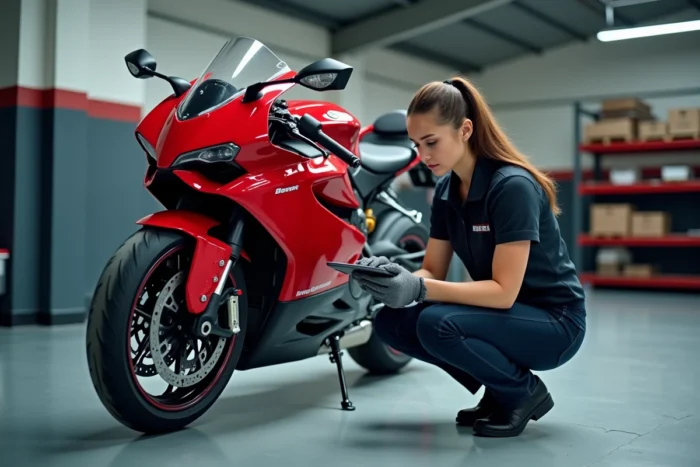
The insurer chooses the expert they mandate. This often-overlooked point has direct consequences on the evaluation process. The mandated expert works within a contractual framework with the company, which can influence the methodology chosen to estimate repairs.
The insured retains the right to request a counter-expertise if they contest the initial report. This counter-expertise is carried out by an independent automotive expert, chosen and paid for by the insured. In the event of a persistent disagreement between the two reports, a third expert may be appointed by mutual agreement or by the judge.
When counter-expertise is justified
- The initial report undervalues the damage by considering reused parts when the vehicle justifies new original parts
- The replacement value as stated by the expert (VRADE) proposed does not correspond to local market prices for an equivalent vehicle
- Structural damage (chassis, side rails, running gear) was not identified during the initial examination
- The vehicle is classified as a total technical loss while the cost of repairs remains below its market value
The cost of a counter-expertise varies depending on the complexity of the file, but it is generally lower than the compensation gap it allows to recover on medium and high severity claims.
Evaluation of a vehicle outside of a claim: transaction expertise and collection expertise
Expertise is not only related to claims. During a sale between individuals or an acquisition from a professional, having a vehicle evaluated by a certified automotive expert protects the buyer against hidden defects and tampered odometers.
For collector vehicles, the expertise focuses on specific criteria: authenticity of mechanical components, compliance of documentation (collector registration, FFVE certificate), condition of original elements. A restored vehicle with parts not conforming to the original series loses a significant part of its value.
Electric and hybrid vehicles: a changing field of expertise
The electrification of the automotive fleet modifies the required skills. The evaluation of a traction battery represents the most complex aspect of an electric or plug-in hybrid vehicle. The state of health of the battery (SOH) cannot be assessed visually and requires specific electronic diagnostics.
Few generalist experts today have the tools and training suited to high-voltage architectures. When choosing an expert for an electrified vehicle, we recommend verifying that they have electrical certification and a diagnostic tool compatible with the manufacturer’s protocol for the vehicle in question.
Expertise timelines and recourse: key points of vigilance after a claim
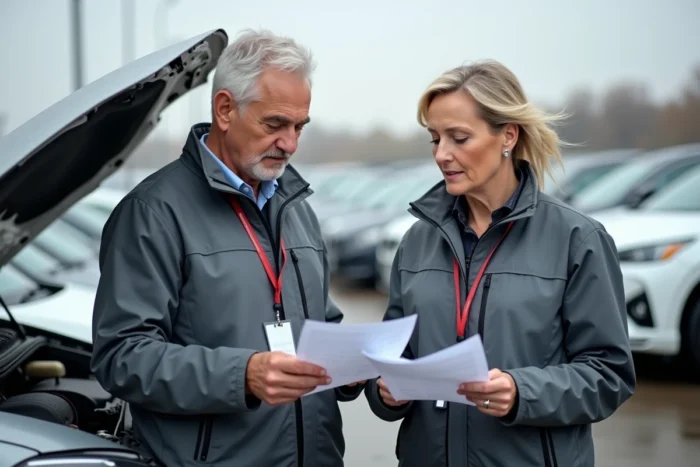
After declaring a claim, the insurer has a timeframe to assign the expert. The insured must keep the vehicle in its current state and not engage in repairs before the expert’s visit, under penalty of compromising the compensation.
If the expertise is delayed, the situation complicates: immobilization costs, rental of a replacement vehicle not covered, loss of business for a professional. Following up with the insurer in writing with acknowledgment of receipt is the only trace that can be opposed in case of later disputes.
When the disagreement concerns the amount or methodology, legal recourse remains possible. The judge then appoints a judicial expert whose report is binding on both parties. This procedure extends the timelines by several months, but it remains the only lever when amicable reports diverge on structural points.
Automotive expertise, whether it occurs after a claim, before a transaction, or to evaluate a specific vehicle, relies on the rigor of the file prepared in advance. A competent expert cannot compensate for an incomplete file. Preparing your documents, photos, and questions before the appointment remains the best way to obtain a reliable and usable evaluation.